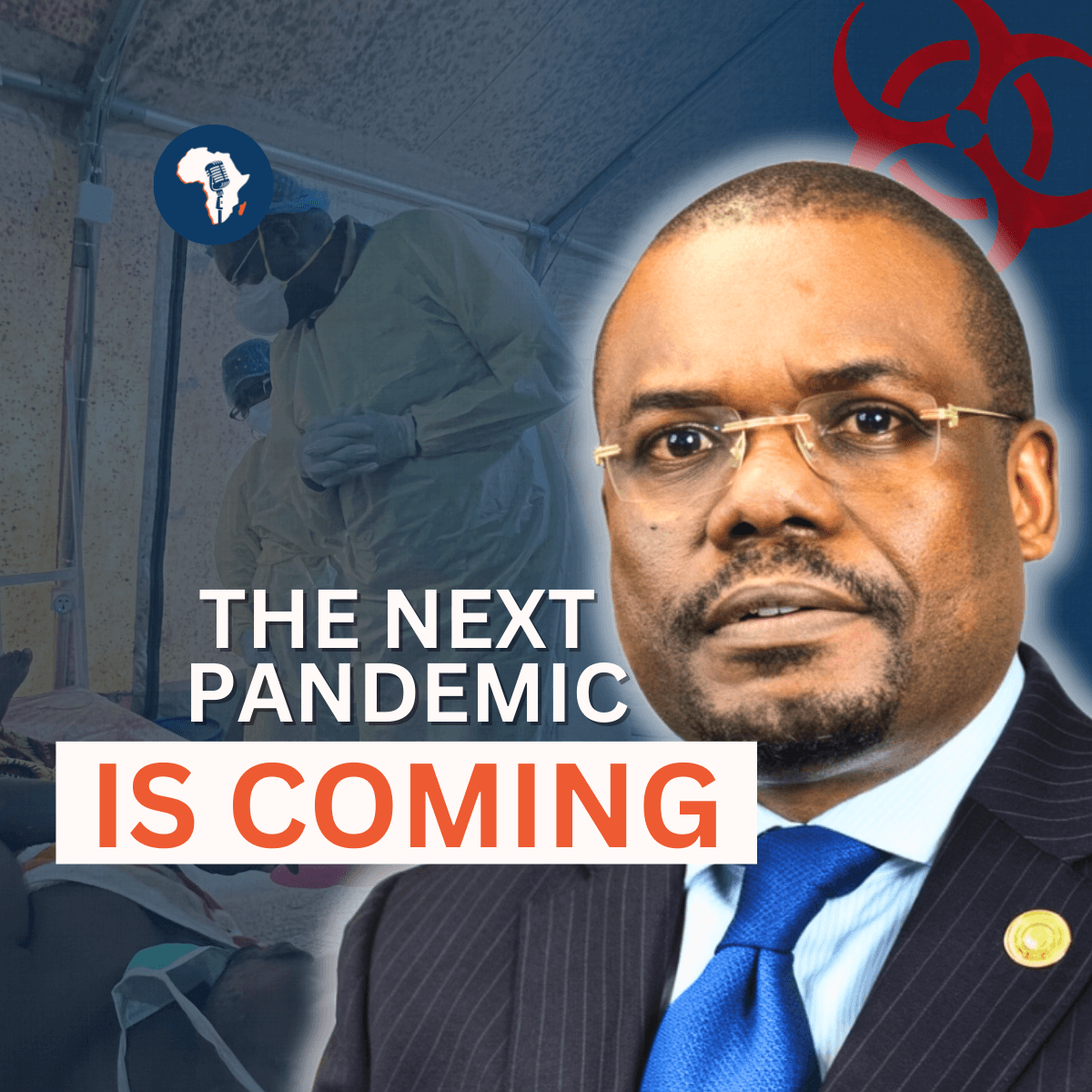
Dr Jean Kaseya, Director General of Africa's Centres for Disease Control and Prevention (CDC), discusses the impact of COVID-19 on the continent. He emphasises the continent's need for improved health preparedness and self-sufficiency.
He outlines five key pillars for pandemic preparedness, including health financing, local manufacturing and digital health initiatives. We also cover the importance of regional collaboration, innovative financing strategies, and the intersection of health and conflict resolution.
Dr Kaseya highlights lessons learned from the pandemic and the need to be prepared for future outbreaks, while also addressing the challenges posed by infectious diseases in Africa.
Takeaways:
Preparedness is essential for national and global security
Africa must increase health financing and reduce inefficiencies
Local manufacturing of health products is crucial for self-sufficiency
Innovative financing methods can enhance health budgets
Vaccine nationalism highlighted Africa's dependency on external supplies
Regional collaboration is vital for effective health responses
Health outcomes are linked to conflict resolution efforts
Lessons from Covid 19 inform future health strategies
The next pandemic is likely to be zoonotic and influenced by climate change
Addressing infectious diseases requires a multifaceted approach
Chapters:
00.00 Assessing Africa's Covid 19 experience
03.05 Pillars of Pandemic Preparedness
06.01 Innovative Financing for Health
08.52 Local Vaccine Production and Technology Transfer
11.53 Regional Collaboration in Health
14.51 Health and Conflict Resolution
17.57 Lessons Learned from Covid 19
20.49 Preparing for Future Pandemics
24.11 Progress and Challenges in Health Systems
27.03 Addressing Infectious Disease Outbreaks
Dr Jean Kaseya, Director General of Africa's Centres for Disease Control and Prevention (CDC), discusses the impact of COVID-19 on the continent. He emphasises the continent's need for improved health preparedness and self-sufficiency.
He outlines five key pillars for pandemic preparedness, including health financing, local manufacturing and digital health initiatives. We also cover the importance of regional collaboration, innovative financing strategies, and the intersection of health and conflict resolution.
Dr Kaseya highlights lessons learned from the pandemic and the need to be prepared for future outbreaks, while also addressing the challenges posed by infectious diseases in Africa.
Takeaways:
Preparedness is essential for national and global security
Africa must increase health financing and reduce inefficiencies
Local manufacturing of health products is crucial for self-sufficiency
Innovative financing methods can enhance health budgets
Vaccine nationalism highlighted Africa's dependency on external supplies
Regional collaboration is vital for effective health responses
Health outcomes are linked to conflict resolution efforts
Lessons from Covid 19 inform future health strategies
The next pandemic is likely to be zoonotic and influenced by climate change
Addressing infectious diseases requires a multifaceted approach
Chapters:
00.00 Assessing Africa's Covid 19 experience
03.05 Pillars of Pandemic Preparedness
06.01 Innovative Financing for Health
08.52 Local Vaccine Production and Technology Transfer
11.53 Regional Collaboration in Health
14.51 Health and Conflict Resolution
17.57 Lessons Learned from Covid 19
20.49 Preparing for Future Pandemics
24.11 Progress and Challenges in Health Systems
27.03 Addressing Infectious Disease Outbreaks
Dr Jean Kaseya, Director General of Africa's Centres for Disease Control and Prevention (CDC), discusses the impact of COVID-19 on the continent. He emphasises the continent's need for improved health preparedness and self-sufficiency.
He outlines five key pillars for pandemic preparedness, including health financing, local manufacturing and digital health initiatives. We also cover the importance of regional collaboration, innovative financing strategies, and the intersection of health and conflict resolution.
Dr Kaseya highlights lessons learned from the pandemic and the need to be prepared for future outbreaks, while also addressing the challenges posed by infectious diseases in Africa.
Takeaways:
Preparedness is essential for national and global security
Africa must increase health financing and reduce inefficiencies
Local manufacturing of health products is crucial for self-sufficiency
Innovative financing methods can enhance health budgets
Vaccine nationalism highlighted Africa's dependency on external supplies
Regional collaboration is vital for effective health responses
Health outcomes are linked to conflict resolution efforts
Lessons from Covid 19 inform future health strategies
The next pandemic is likely to be zoonotic and influenced by climate change
Addressing infectious diseases requires a multifaceted approach
Chapters:
00.00 Assessing Africa's Covid 19 experience
03.05 Pillars of Pandemic Preparedness
06.01 Innovative Financing for Health
08.52 Local Vaccine Production and Technology Transfer
11.53 Regional Collaboration in Health
14.51 Health and Conflict Resolution
17.57 Lessons Learned from Covid 19
20.49 Preparing for Future Pandemics
24.11 Progress and Challenges in Health Systems
27.03 Addressing Infectious Disease Outbreaks
Dr Jean Kaseya, Director General of Africa's Centres for Disease Control and Prevention (CDC), discusses the impact of COVID-19 on the continent. He emphasises the continent's need for improved health preparedness and self-sufficiency.
He outlines five key pillars for pandemic preparedness, including health financing, local manufacturing and digital health initiatives. We also cover the importance of regional collaboration, innovative financing strategies, and the intersection of health and conflict resolution.
Dr Kaseya highlights lessons learned from the pandemic and the need to be prepared for future outbreaks, while also addressing the challenges posed by infectious diseases in Africa.
Takeaways:
Preparedness is essential for national and global security
Africa must increase health financing and reduce inefficiencies
Local manufacturing of health products is crucial for self-sufficiency
Innovative financing methods can enhance health budgets
Vaccine nationalism highlighted Africa's dependency on external supplies
Regional collaboration is vital for effective health responses
Health outcomes are linked to conflict resolution efforts
Lessons from Covid 19 inform future health strategies
The next pandemic is likely to be zoonotic and influenced by climate change
Addressing infectious diseases requires a multifaceted approach
Chapters:
00.00 Assessing Africa's Covid 19 experience
03.05 Pillars of Pandemic Preparedness
06.01 Innovative Financing for Health
08.52 Local Vaccine Production and Technology Transfer
11.53 Regional Collaboration in Health
14.51 Health and Conflict Resolution
17.57 Lessons Learned from Covid 19
20.49 Preparing for Future Pandemics
24.11 Progress and Challenges in Health Systems
27.03 Addressing Infectious Disease Outbreaks


