
Or listen on:


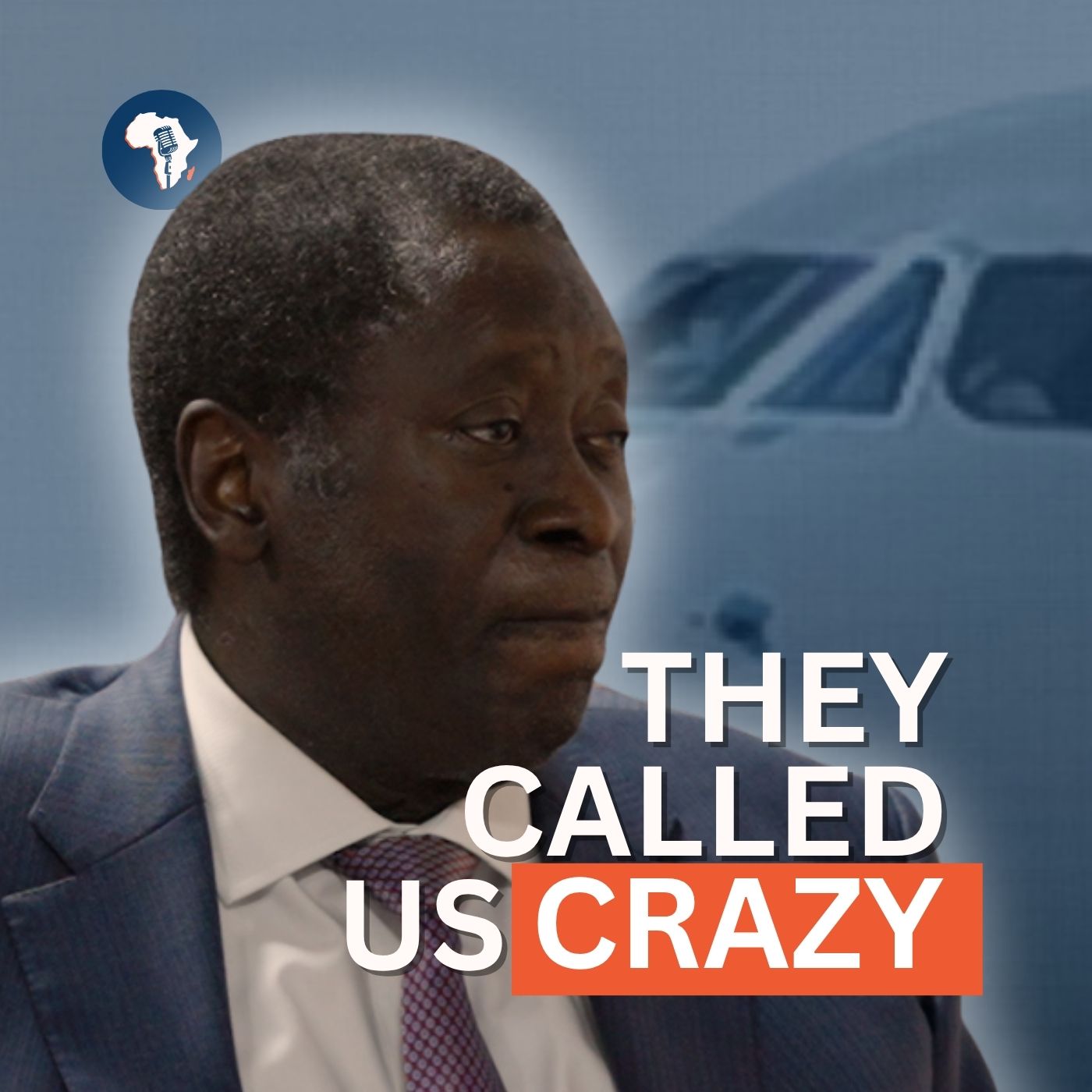
I sit down with Wale Babalakin, the entrepreneur behind Nigeria's first privately operated airport terminal — MMA2, the domestic terminal at Murtala Muhammed Airport in Lagos.
Almost 20 years after opening, MMA2 remains one of Africa's most significant examples of successful private airport concession — and the story of how it was built is as remarkable as the terminal itself.
Wale tells me how his company entered the bid as a reserve bidder, was eventually invited back after the original winner failed to satisfy government, and then took on the extraordinary challenge of redesigning and rebuilding the terminal from scratch — all within the original three-year schedule.
Inspired by a visit to South Africa's newly completed domestic terminal, he rejected the government's original design, won ministerial approval for a bolder vision, and delivered on time.
Now, with Nigeria's aviation sector growing rapidly and a more investor-friendly policy environment in place, Wale Babalakin reflects on what it takes to build private infrastructure in Africa, why airports require long-term capital, and what role pension funds could play in unlocking the next wave of investment.
Key Quotes:
* "The best description we could get from the public was: these guys are crazy. Why are they putting their own money into public infrastructure?" *"You must design an airport so that traffic flows and congestion is avoided — because you are expecting heavy traffic."
*"You can't build an airport with three-year money or four-year money. It's not possible."
*"We don't need money from government. We don't need support from government other than policy-free implementation."
*"I believe this is the only way for any economy."
About MMA2 — Murtala Muhammed Airport Terminal 2, Lagos MMA2 (also known as the General Aviation Terminal, Lagos) is Nigeria's first privately built and operated domestic passenger terminal. It serves as the main domestic departure and arrival point for flights within Nigeria. The terminal was developed under a build-operate-transfer (BOT) concession and has been in operation for over 19 years, handling millions of passengers annually.
Key facts:
* Current throughput: approximately 10,000 passengers per day Maximum capacity: 40,000 passengers per day
*Current utilisation: approximately 60% of total capacity Active cargo section with refrigerated storage facilities
*Extensive retail and catering facilities designed for extended passenger dwell time
Chapters 00:00 — Introduction 00:24 — How the MMA2 concession was won 01:44 — Was it built from scratch? 02:38 — Scrapping the original design — the South Africa visit 03:02 — What kind of terminal did you want to build? 03:39 — Is this model replicable across Nigeria? 04:31 — Is the investment environment improving? 05:29 — What makes a successful airport terminal? 06:25 — Passenger and cargo volumes at MMA2 07:15 — The passenger experience — retail, catering, dwell time 09:03 — When did MMA2 become a valuable asset? 10:25 — The case for long-term capital and pension funds 10:48 — Is private airport development the way forward for Nigeria? 11:16 — Election risk — can these gains be protected? 12:19 — What does the future look like? Subscribe to Africa Here and Now for the latest from across the continent — politics, business, culture, and the stories shaping Africa's future. #NigeriaAviation #AfricaHereAndNow #MMA2Lagos #PrivateAirportAfrica #NigeriaInfrastructure #WestAfricaAviation #AfricaBusiness #NigeriaEconomy

